Car Engine Overheating: Causes, Warning Signs & Coolant Maintenance Guide
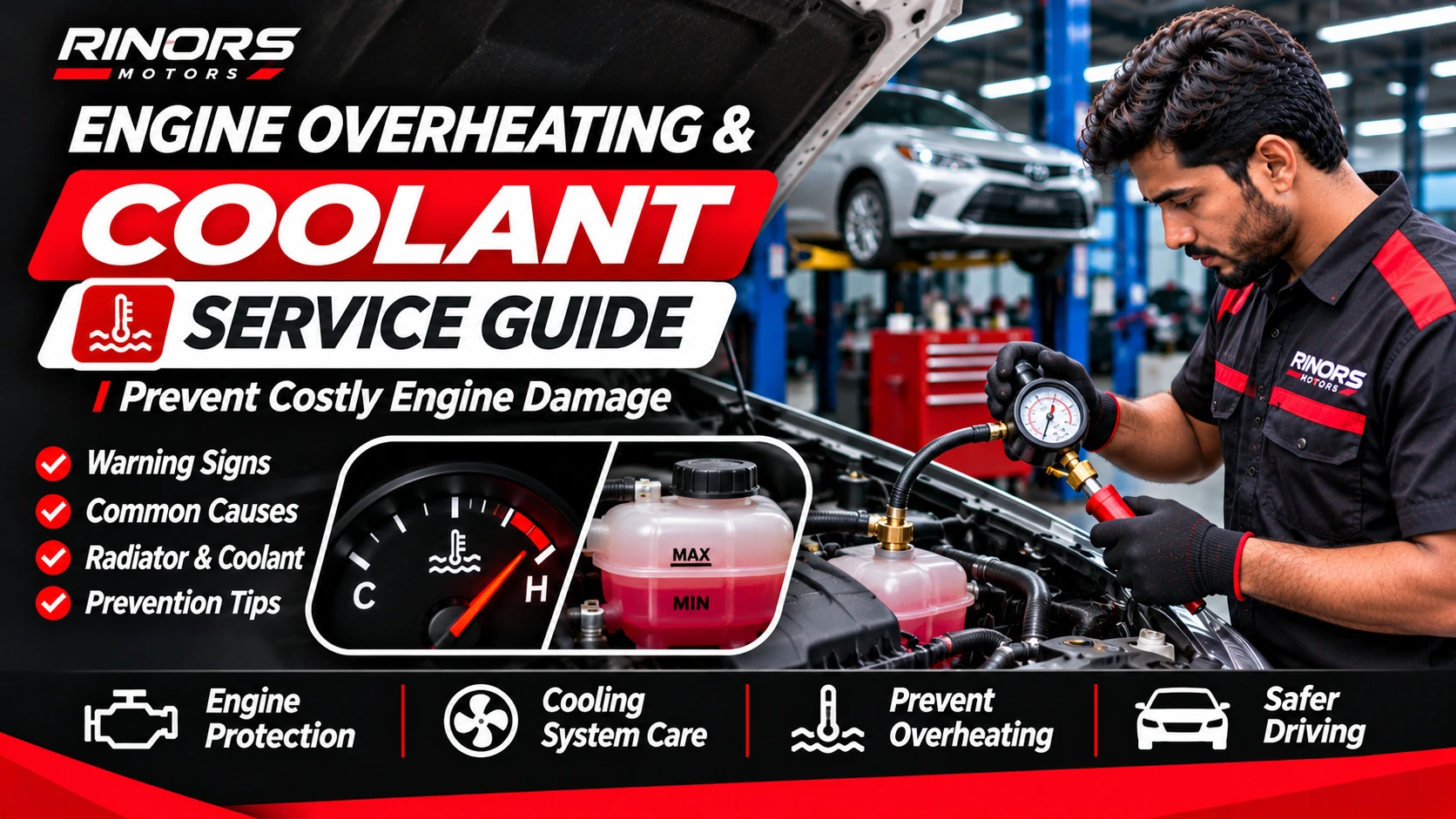
Engine overheating is one of the most serious problems a car owner can experience. If ignored, excessive engine temperature can damage the cylinder head, head gasket, and other important engine components.
In Bangladesh, frequent traffic congestion, high temperatures, and demanding road conditions can place additional stress on vehicle cooling systems.
Whether you drive a Toyota Corolla, Axio, Aqua, Honda Grace, Nissan, or another vehicle, understanding engine overheating can help you recognize problems early and avoid expensive repairs.
How Does a Car Cooling System Work?
Your car engine generates heat during combustion. The cooling system regulates engine temperature by circulating coolant through the engine and radiator.
Main Components of the Cooling System
Radiator: Releases heat from the coolant into the surrounding air.
Coolant: Carries heat away from the engine and helps protect the cooling system.
Water Pump: Circulates coolant through the system.
Thermostat: Controls coolant flow according to engine temperature.
Radiator Fan: Helps move air through the radiator, especially during slow driving.
Coolant Reservoir: Accommodates coolant expansion and, depending on the system design, allows coolant level monitoring.
Radiator Cap or Pressure Cap: Maintains the designed cooling-system pressure.
If one or more components malfunction, engine temperature may rise above the normal operating range.
7 Warning Signs of Engine Overheating
1. Temperature Gauge Rising
One of the clearest warning signs is an engine temperature gauge moving toward the red zone or a high-temperature warning appearing on the dashboard.
2. Steam Coming From the Engine Bay
Steam may appear when coolant escapes onto hot engine components or boils due to overheating.
3. Coolant Level Dropping
Repeated coolant loss may indicate a leak in the radiator, hoses, reservoir, water pump, or another cooling-system component.
4. Unusual Smell From the Engine
A sweet or chemical smell may indicate leaking coolant. An unusual burning smell can also signal overheating or another mechanical issue.
5. Engine Performance Problems
Some vehicles automatically reduce engine power when temperatures become dangerously high.
6. Radiator Fan Not Operating Correctly
A faulty cooling fan, motor, relay, fuse, or control circuit may contribute to overheating, especially in traffic.
7. Coolant Leaking Under the Car
Colored liquid collecting beneath the vehicle may indicate a coolant leak. However, coolant color varies, and clear water from the air-conditioning system can be normal.
9 Common Causes of Car Engine Overheating
1. Low Engine Coolant
Insufficient coolant reduces the cooling system's ability to remove heat efficiently.
2. Radiator Leakage
A damaged radiator may lose coolant and make it difficult for the engine to maintain normal temperature.
3. Faulty Radiator Fan
A malfunctioning cooling fan can cause the temperature to rise during slow-moving traffic or when the vehicle is stationary.
4. Thermostat Failure
A thermostat that remains closed may restrict coolant circulation, causing the engine to overheat.
5. Water Pump Problems
A damaged water pump or its drive mechanism can reduce coolant circulation.
6. Blocked Radiator
Internal deposits or external dirt and debris may reduce radiator cooling efficiency.
7. Damaged Coolant Hoses
Cracked hoses, loose connections, or deteriorated seals can cause coolant loss.
8. Air Trapped in the Cooling System
Air pockets left after improper coolant servicing may interfere with circulation and cause overheating.
9. Head Gasket Damage
A damaged head gasket can allow combustion gases to enter the cooling system or cause coolant loss. Diagnosis requires appropriate testing.
What Should You Do if Your Car Engine Overheats?
If your engine temperature warning activates:
Turn off the air conditioning to reduce engine load.
Move to a safe location and stop the vehicle as soon as possible.
Switch off the engine when safely stopped.
Allow the engine and cooling system to cool.
Never open the radiator cap or pressurized coolant reservoir while hot.
Arrange professional inspection before continuing if overheating is severe, coolant is leaking, or the warning persists.
Driving with an overheating engine can result in expensive mechanical damage. If necessary, arrange towing instead of attempting to drive.
Radiator Coolant vs Normal Water
Some drivers use ordinary water instead of proper engine coolant. However, water alone generally does not provide the same corrosion protection, freeze protection, and operating-temperature performance as correctly formulated coolant.
Why Proper Coolant Matters
Suitable engine coolant helps:
Transfer heat away from the engine.
Protect cooling-system components against corrosion.
Reduce deposits when used with the correct water quality.
Provide appropriate boiling and freezing protection.
Support the long-term operation of the cooling system.
Always follow the manufacturer's coolant specification and dilution requirements.
Important: Coolant color does not reliably identify its chemical formulation or compatibility. Never select coolant based on color alone.
How Often Should Engine Coolant Be Changed?
Coolant replacement intervals vary by vehicle model, coolant formulation, and manufacturer recommendations.
Some modern long-life coolants have extended service intervals, while other vehicles require more frequent replacement.
The correct interval should be confirmed using the manufacturer's maintenance schedule and the car's service history.
Engine Overheating in Toyota Hybrid Vehicles
Toyota hybrid vehicles such as the Aqua, Prius, and Corolla Axio Hybrid may use separate cooling circuits for the petrol engine and hybrid power electronics.
Problems in either cooling circuit can affect vehicle operation.
Hybrid cooling-system maintenance should follow model-specific procedures. High-voltage components and orange-colored electrical cables must only be handled by appropriately trained personnel.
How Is an Overheating Problem Diagnosed?
Professional cooling-system inspection may include:
Checking engine temperature warnings and diagnostic fault codes.
Inspecting coolant levels and visible leaks.
Pressure-testing the cooling system where appropriate.
Checking radiator fan operation.
Inspecting coolant hoses, thermostat, and water pump.
Checking radiator condition and airflow.
Testing for combustion-gas leakage if head gasket damage is suspected.
Refilling and bleeding the cooling system using the correct procedure.
Confirming normal operating temperature after repairs.
Engine Cooling System Service Cost in Bangladesh
The repair cost depends on the actual problem and the vehicle model.
Simple cooling-system maintenance may involve coolant replacement or a damaged hose, while more extensive repairs may require a radiator, cooling fan, water pump, or engine-related components.
A diagnostic inspection is the best starting point before estimating repair costs.
How to Prevent Engine Overheating
Check coolant level when the engine is cold.
Inspect for visible coolant leaks.
Follow the recommended coolant replacement schedule.
Monitor dashboard temperature warnings.
Have damaged hoses and cooling-system components repaired promptly.
Use coolant meeting the manufacturer's specifications.
Investigate repeated overheating instead of repeatedly topping up coolant.
Engine Cooling System Inspection at Rinors Motors
At Rinors Motors, we understand how challenging Bangladesh's traffic and weather conditions can be for vehicle cooling systems.
Whether your vehicle has a coolant leak, radiator problem, overheating warning, or cooling-fan issue, proper diagnosis is the first step toward a reliable repair.
Contact Rinors Motors to discuss engine cooling-system inspection, radiator maintenance, and appropriate repair options for your vehicle.