Car Wiper Blade Problems in Bangladesh: Complete Maintenance & Replacement Guide
Your car's windshield wipers are essential safety components, especially during heavy rain, dust storms, and poor weather conditions. They remove water, dirt, and debris from the windshield to help maintain clear road visibility.
In Bangladesh, the monsoon season brings frequent rainfall, while dust, heat, and environmental contamination can affect wiper performance throughout the year.
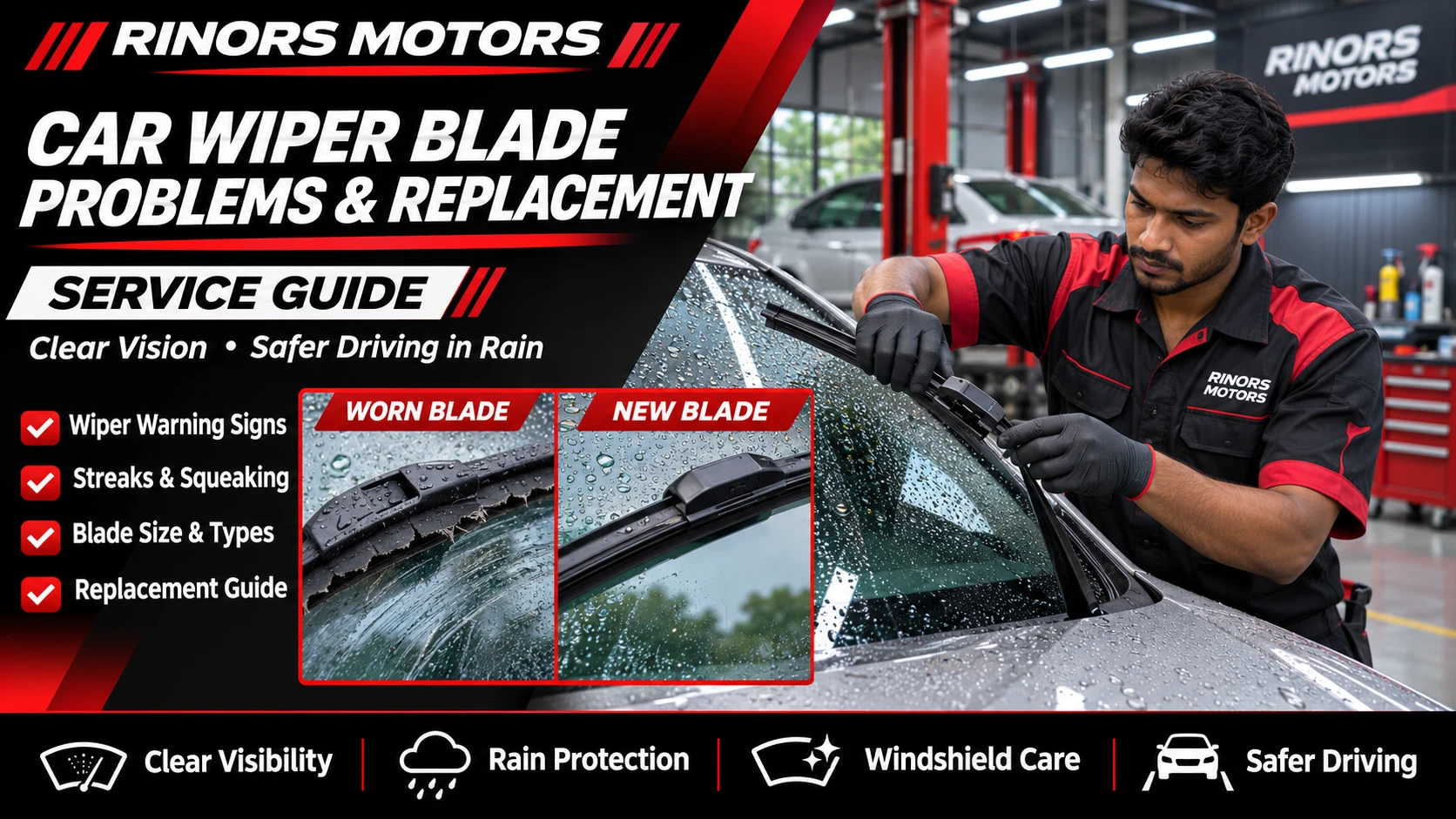
Over time, wiper blades can become hard, cracked, noisy, or ineffective. Damaged blades may leave streaks across the windshield and make driving difficult during rainfall.
Whether you own a Toyota Corolla, Axio, Premio, Allion, Aqua, Honda Vezel, Nissan X-Trail, or another vehicle, understanding windshield wiper maintenance can help you drive more safely.
This guide explains common wiper problems, warning signs, blade types, correct sizing, replacement procedures, and maintenance tips.
How Do Car Windshield Wipers Work?
A windshield wiper system uses an electric motor and a mechanical linkage or drive mechanism to move the wiper arms across the windshield.
Rubber wiper blades attached to these arms remove water and surface contamination from the glass.
Main Components of a Wiper System
Wiper Blades: Rubber wiping elements that clean the windshield.
Wiper Arms: Hold the blades against the glass.
Wiper Motor: Provides the movement needed to operate the wipers.
Wiper Linkage: Transfers movement from the motor to the arms in applicable designs.
Washer Pump: Supplies washer fluid to the spray nozzles.
Washer Nozzles: Direct cleaning fluid onto the windshield.
Wiper Switch and Control System: Control wiping speed and operating modes.
Some modern vehicles also use automatic rain sensors.
A problem with any of these components can affect windshield cleaning performance.
7 Warning Signs Your Car Wiper Blades Need Attention
1. Streaks on the Windshield
If your wipers leave visible water lines or streaks, the blade may not be making proper contact with the glass.
Possible causes include worn rubber, accumulated dirt, incorrect blade fitment, or damage to the wiping edge.
Minor streaking may improve after cleaning. Persistent streaking often indicates that replacement is necessary.
2. Squeaking or Screeching Noise
A squeaking sound during wiping can occur when the rubber moves unevenly across the windshield.
Common causes include:
Hardened or deteriorated rubber.
Dirt on the windshield.
Incorrect wiper angle.
An unsuitable or incorrectly installed blade.
Operating the wipers on dry glass.
Cleaning may resolve some noise problems, but damaged blades should be replaced.
3. Wiper Blades Jumping or Chattering
Wiper blades should move smoothly across wet glass.
If they repeatedly jump, vibrate, or chatter, the rubber edge may be worn or the blade may not sit correctly against the windshield.
Wiper-arm alignment and spring pressure may also need inspection.
4. Cracked or Torn Rubber
Visible cracks, splits, missing rubber sections, or a blade separating from its frame indicate deterioration.
Damaged rubber can reduce wiping performance and may allow harder components to contact the glass.
Replace visibly damaged blades promptly.
5. Water Remaining in Certain Areas
If a wiper repeatedly misses part of the windshield, possible causes include:
Incorrect blade size.
Worn rubber.
Uneven blade pressure.
A bent wiper arm.
An unsuitable blade design.
The problem should be diagnosed rather than assuming that the longest available blade will work better.
6. Reduced Visibility During Heavy Rain
If the windshield remains unclear despite operating the wipers at an appropriate speed, the blades may no longer be cleaning effectively.
Poor visibility during heavy rain creates a serious driving hazard.
If you cannot see the road clearly, slow down and stop somewhere safe until visibility improves.
7. Hardened or Deformed Wiper Blades
Exposure to heat, sunlight, and environmental conditions can gradually affect the flexibility and shape of rubber wiping elements.
A hardened or deformed blade may not maintain consistent contact with curved windshield glass.
Why Do Car Wiper Blades Wear Out?
Wiper blades are exposed to changing weather conditions and repeated mechanical movement.
Sunlight and Heat
Ultraviolet exposure and high temperatures can contribute to deterioration of the rubber and other blade materials.
Dust and Road Contamination
Dust, dirt, and abrasive particles may accumulate on the blade and windshield.
Operating a contaminated blade can reduce wiping performance and potentially scratch the glass.
Dry Wiping
Using windshield wipers repeatedly without sufficient moisture may increase friction and accelerate wear.
Improper Cleaning
Unsuitable solvents, harsh chemicals, or abrasive cleaning tools may damage certain blade materials or windshield coatings.
Age and Normal Use
Repeated wiping gradually wears the rubber edge, reducing its ability to remove water consistently.
Different Types of Windshield Wiper Blades
Several blade designs are available for modern passenger vehicles.
1. Conventional Frame Wiper Blades
Traditional frame blades use a metal or composite support structure with multiple pressure points.
They are commonly found on older vehicles and some modern models.
Advantages:
Widely available in compatible sizes.
Often relatively economical.
Straightforward replacement on many vehicles.
2. Beam or Frameless Wiper Blades
Beam blades use a flexible supporting structure designed to distribute pressure across the windshield.
Advantages:
Streamlined construction.
Suitable for many curved windshields.
Fewer exposed frame joints.
Available for numerous modern vehicles.
3. Hybrid Wiper Blades
Hybrid blades combine elements of conventional supporting structures with aerodynamic covers.
They are used on various Japanese vehicle models.
Important: No single blade design is automatically best for every car. Compatibility and actual wiping performance are more important than appearance.
How to Choose the Correct Wiper Blade Size
Selecting the correct blade size is essential.
Different cars may require different driver-side, passenger-side, and rear wiper lengths.
Even vehicles from the same manufacturer can use different specifications.
Check the Vehicle Specifications
Confirm the exact:
Vehicle brand.
Model.
Model year.
Vehicle variant.
Driver-side wiper length.
Passenger-side wiper length.
Rear wiper length, if applicable.
Wiper-arm connector type.
Common Wiper Connector Types
Depending on the vehicle, connectors may include:
J-hook or U-hook.
Side-pin.
Top-lock.
Pinch-tab.
Other manufacturer-specific fittings.
A blade with the correct length but an incompatible connector may not attach securely.
Example: Toyota Wiper Blades
Toyota Corolla, Axio, Premio, Allion, and Aqua models do not necessarily share identical wiper specifications.
Always verify the fitment using the vehicle manual, a reliable parts catalogue, or the exact vehicle configuration.
How Often Should Wiper Blades Be Replaced?
There is no universal replacement interval that applies to every vehicle.
Some manufacturers and automotive maintenance organizations recommend inspecting wipers regularly and replacing them approximately every 6–12 months under typical conditions.
However, actual replacement needs depend on:
Rubber condition.
Climate and sunlight exposure.
Driving environment.
Frequency of use.
Windshield cleanliness.
Blade quality and design.
In Bangladesh, inspecting your wipers before the monsoon season is particularly sensible.
Replace the blades earlier if they are cracked, leaving persistent streaks, or failing to clear the windshield effectively.
How Are Windshield Wiper Blades Replaced?
A typical replacement procedure involves the following steps.
Step 1: Identify the Correct Replacement
Verify the correct blade dimensions and connector type for the vehicle.
Step 2: Prepare the Wiper Arms
Some vehicles require a special service position before the wipers can be lifted.
Follow the owner's manual, especially if the wiper arms may interfere with the bonnet.
Step 3: Remove the Old Blade
Release the connector using the appropriate mechanism.
Avoid forcing the blade or damaging the wiper arm.
Step 4: Install the New Blade
Attach the compatible blade and ensure the locking mechanism is properly secured.
Step 5: Lower the Wiper Arm Carefully
Never allow the bare metal arm to snap against the windshield.
It can crack or damage the glass.
Step 6: Test the Wipers
Use suitable washer fluid to wet the glass and check that the blades move smoothly without streaking, interference, or unusual noise.
Incorrect installation can result in blade detachment or poor wiping performance.
Wiper Blade Problems vs Wiper Motor Problems
Not every windshield wiper issue requires blade replacement.
Signs of Worn Wiper Blades
Water streaks.
Squeaking.
Cracked rubber.
Uneven wiping.
Poor glass contact.
Signs of a Possible Wiper Motor or Linkage Problem
Wipers do not move at all.
Wipers stop unexpectedly.
Wipers move unusually slowly.
One arm moves incorrectly.
Wipers do not return to their normal parked position.
Electrical failures, switches, fuses, control modules, and mechanical linkages can also cause these symptoms.
A proper inspection helps distinguish mechanical and electrical problems from blade wear.
What If the Windshield Washer Is Not Spraying Water?
If the washer system does not spray correctly, the problem may be unrelated to the wiper blades.
Possible causes include:
Empty washer-fluid reservoir.
Blocked washer nozzles.
Damaged washer hoses.
Faulty washer pump.
Electrical supply or control problems.
Use washer fluid suitable for the vehicle and environmental conditions.
Avoid using harsh household cleaning chemicals in the washer reservoir because they may be unsuitable for the system.
Can Old Wiper Blades Damage the Windshield?
Yes, in certain circumstances.
If the rubber wiping edge becomes severely damaged or separates from its supporting structure, harder blade components may contact the windshield.
This can create scratches or other surface damage.
Dirt and abrasive particles trapped beneath a blade can also contribute to scratching.
Regular cleaning and timely replacement help reduce these risks.
How Much Do Car Wiper Blades Cost in Bangladesh?
Car wiper blade prices in Bangladesh vary according to several factors.
Main Pricing Factors
Vehicle model.
Wiper length.
Conventional, beam, or hybrid design.
Product brand.
Rubber or silicone-based wiping material.
Connector compatibility.
Original-equipment or aftermarket specification.
Installation and warranty terms.
Before buying, confirm whether the price includes one blade, a pair, or a complete front-and-rear set.
Selecting the lowest-priced blade is not always the most economical decision if it provides poor fitment or short service life.
How to Maintain Car Wipers During Bangladesh's Monsoon Season
Proper maintenance helps preserve visibility during rainy weather.
1. Clean the Windshield Regularly
Remove dirt and road contamination using an appropriate automotive glass cleaner.
2. Clean the Wiper Rubber Carefully
Use a soft cloth and a cleaner suitable for the blade material.
Avoid abrasive tools or aggressive solvents.
3. Inspect Before Heavy Rain
Check for cracks, uneven wiping, and loose connections before the monsoon season.
4. Maintain Washer Fluid
Keep the washer reservoir filled with a suitable product.
5. Avoid Using Wipers on Dry, Dirty Glass
Use washer fluid first when appropriate to reduce friction and remove loose contamination.
6. Check Rear Wipers
Vehicles with rear windshield wipers also require inspection and maintenance.
7. Replace Damaged Blades Promptly
Do not continue using blades that leave large unwiped areas or have visibly damaged rubber.
Frequently Asked Questions
Why Are My Car Wipers Making Noise?
Wipers may squeak because of dirty glass, worn rubber, incorrect installation, unsuitable blade design, or wiper-arm alignment issues.
Are Frameless Wiper Blades Better?
Beam or frameless wipers can provide effective pressure distribution on compatible windshields, but their suitability depends on the specific vehicle and product design.
Can I Use a Longer Wiper Blade?
Only if the size is approved as compatible with the vehicle. An excessively long blade can interfere with the other wiper, vehicle body, or windshield edges.
Should Both Front Wiper Blades Be Replaced Together?
Replacing both together can help provide consistent wiping performance, particularly when they are similarly worn. However, inspect each blade and follow the manufacturer's guidance.
Why Does My Wiper Leave Streaks After Replacement?
Possible causes include a dirty windshield, incorrect blade installation, unsuitable blade fitment, defective replacement parts, or damaged wiper arms.
Car Wiper Blade Inspection & Replacement at Rinors Motors
At Rinors Motors, we understand how important clear windshield visibility is for driving safely in Bangladesh, particularly during the rainy season.
If your vehicle has noisy wipers, damaged rubber, uneven wiping, or a malfunctioning windshield washer system, identifying the correct problem is essential.
Contact Rinors Motors to discuss compatible wiper blade selection, replacement parts, and appropriate windshield wiper system maintenance for your vehicle.
Rinors Motors — Your Trusted Automotive Partner in Bangladesh.