Check Hybrid System Warning Light On: Causes, Diagnosis and Solutions in Bangladesh
Is your Toyota hybrid vehicle displaying a Check Hybrid System warning message or a hybrid-related warning light on the dashboard?
This warning can be concerning, particularly when it appears alongside reduced acceleration, unusual engine operation, declining fuel efficiency or difficulty starting the hybrid system.
Modern hybrid vehicles use multiple electronic control systems to coordinate the gasoline engine, electric motors, high-voltage battery, inverter and other electrical components.
When the vehicle detects a malfunction in one of these systems, a hybrid warning message may appear.
Rinors Motors provides hybrid system warning diagnostics and troubleshooting solutions in Bangladesh, helping vehicle owners investigate the underlying problem before deciding whether maintenance, component repair or replacement is necessary.
A hybrid system warning does not automatically mean that the hybrid battery has failed. Several different faults can produce similar warning symptoms.
What Does the Check Hybrid System Warning Mean?
The Check Hybrid System warning generally indicates that the vehicle has detected a condition requiring attention within the hybrid powertrain or an associated control system.
Depending on the vehicle model and fault, the dashboard may display messages such as:
Check Hybrid System
Hybrid System Malfunction
Hybrid Battery System Malfunction
Traction Battery System Malfunction
Hybrid System Overheated
Reduced Power
Check Engine
The exact warning message varies between vehicle models and model years.
Some warnings require immediate inspection, while others specifically instruct the driver to stop the vehicle.
The dashboard message alone does not identify which component is faulty.
A proper diagnosis requires reviewing the vehicle's stored diagnostic trouble codes and relevant operating data.
Common Symptoms Associated With Hybrid System Warnings
1. Check Hybrid System Message Appears
A warning may appear when the vehicle detects abnormal hybrid powertrain operation.
The warning can remain active or occur intermittently depending on the fault.
2. Master Warning Light Illuminates
Some Toyota hybrid vehicles display a master warning indicator, commonly represented by a triangle with an exclamation mark.
The indicator may appear together with additional warning messages.
3. Reduced Engine or Electric Motor Performance
The vehicle may experience reduced acceleration or limited power delivery if the hybrid system restricts operation in response to a detected malfunction.
4. Hybrid System Does Not Enter READY Mode
Some faults may prevent the vehicle from entering its normal operating state.
Possible causes include electrical supply problems, control system faults or other conditions requiring model-specific diagnosis.
5. Petrol Engine Operates Abnormally
The gasoline engine may run more frequently or operate differently than expected.
This behavior can have multiple explanations and should be evaluated alongside diagnostic information.
6. Hybrid Battery Charge Fluctuates
Unusual battery charge behavior may accompany certain battery-related faults.
However, normal hybrid driving conditions can also cause battery charge levels to fluctuate.
7. Multiple Dashboard Warning Lights
In some cases, several warning indicators appear simultaneously because different electronic control modules monitor related systems.
The relationship between these warnings should be evaluated before replacing components.
What Causes the Check Hybrid System Warning?
1. Hybrid Battery Deterioration
The high-voltage traction battery stores electrical energy used by the electric drive system.
Over time, battery aging, temperature exposure and usage conditions may affect battery performance.
Depending on the battery design, faults may involve:
Reduced usable battery capacity
Abnormal battery voltage behavior
Uneven module or cell-group performance
Battery monitoring abnormalities
Battery temperature problems
Battery-related diagnostic trouble codes
A complete battery pack replacement should not be recommended solely because a hybrid warning appears.
2. Hybrid Battery Cooling Problems
Some hybrid vehicles use a cooling fan, air intake vent and ducting to regulate battery temperature.
When airflow becomes restricted, the battery may operate at higher temperatures.
Possible causes include:
Blocked battery air intake
Dirty cooling fan
Restricted ventilation ducts
Cooling fan electrical faults
Abnormal battery temperature sensor readings
Depending on the vehicle, the hybrid control system may restrict battery operation or display a cooling-related warning.
3. Inverter and Power Electronics Faults
The hybrid inverter and associated power electronics manage electrical energy between the battery, electric motor-generators and vehicle electrical systems.
Potential faults may involve:
Inverter control systems
Power conversion components
Electrical communication
Inverter cooling arrangements
Related sensors or control circuits
These systems contain high-voltage components and require appropriately trained personnel and manufacturer-approved testing procedures.
4. Auxiliary 12V Battery Problems
Hybrid vehicles generally use a separate 12V battery to power electronic control systems and low-voltage accessories.
A weak or discharged auxiliary battery can contribute to electronic or startup problems.
Relevant checks may include:
The 12V battery should not be confused with the high-voltage hybrid traction battery.
5. Hybrid Cooling System Malfunctions
Some hybrid vehicles use dedicated liquid cooling circuits for electrical power components.
Cooling-related faults may involve:
Electric coolant pump malfunction
Coolant circulation problems
Low coolant level
Cooling system leakage
Temperature sensor problems
Restricted cooling performance
The cooling arrangement varies between hybrid models.
6. Wiring, Sensors and Communication Problems
Hybrid vehicles rely on sensors, wiring harnesses and electronic control modules.
Potential problems may include:
Damaged electrical connectors
Corroded connections
Sensor signal abnormalities
Wiring harness damage
Control module communication errors
Power supply or grounding faults
These faults require systematic electrical diagnosis.
7. Engine and Related Powertrain Faults
A hybrid warning may also be associated with problems affecting the gasoline engine or its integration with the hybrid drive system.
Depending on the model, possible areas of investigation include:
Engine management faults
Fuel delivery problems
Engine sensor malfunctions
Cooling system faults
Engine control module communication
Other powertrain-related diagnostic codes
Not every hybrid warning originates from a high-voltage electrical component.
What Should You Do When the Check Hybrid System Warning Appears?
1. Follow the Exact Dashboard Instructions
Different warnings require different responses.
If the message instructs you to stop, or the vehicle experiences severe power loss, overheating, abnormal braking or another serious symptom, pull over safely and follow the manufacturer's instructions.
Arrange professional assistance or vehicle recovery when necessary.
2. Record the Warning Message
If it is safe to do so, record the exact warning text and any other illuminated indicators.
This information may help the technician identify the relevant systems.
3. Avoid Repeatedly Resetting Warning Codes
Clearing diagnostic trouble codes without identifying the cause does not repair the underlying fault.
It can also remove useful diagnostic information.
4. Arrange a Professional Diagnostic Inspection
A suitable diagnostic inspection can help determine whether the warning is related to the traction battery, electrical supply, inverter, cooling system or another component.
Our Check Hybrid System Warning Diagnostic Solutions
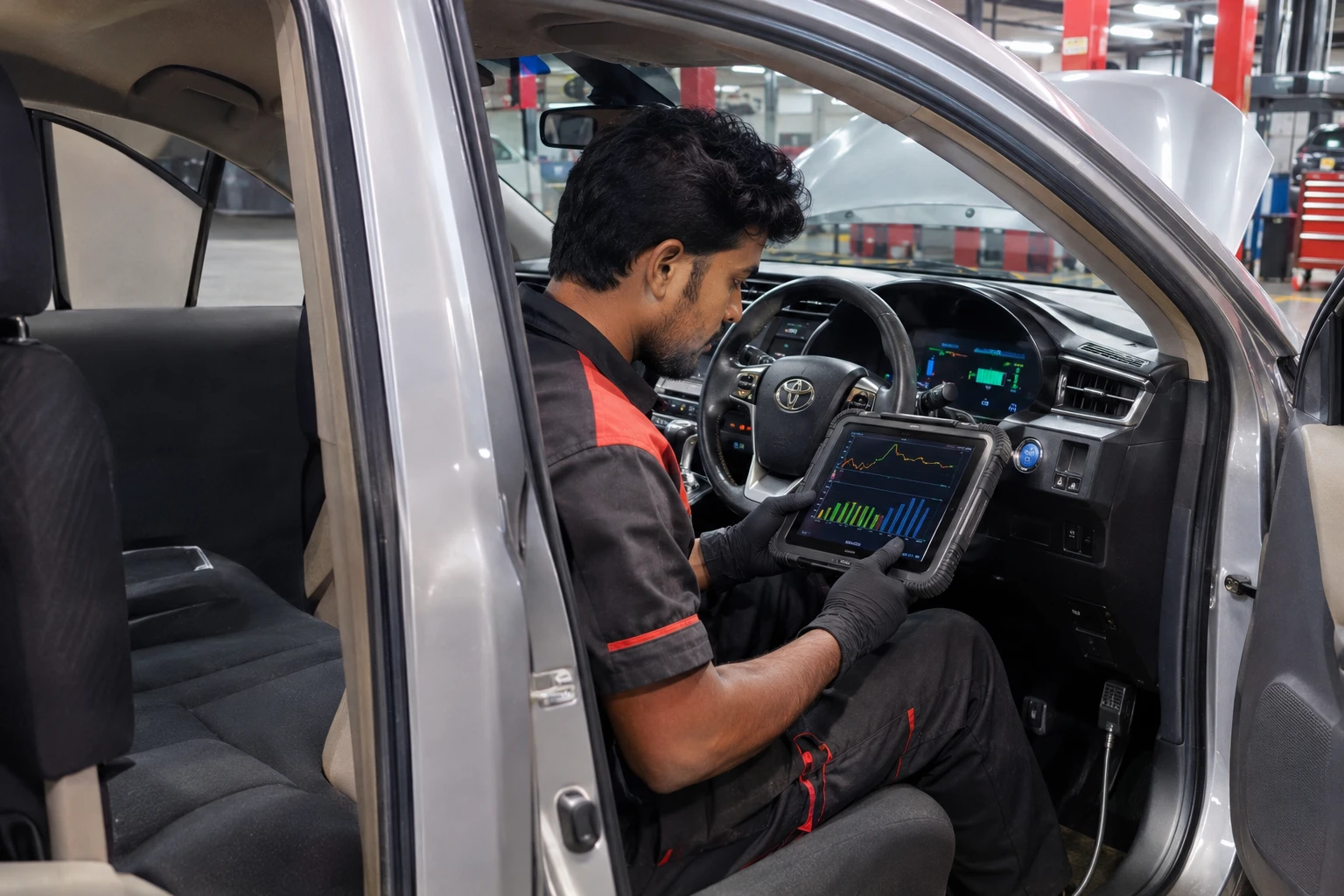
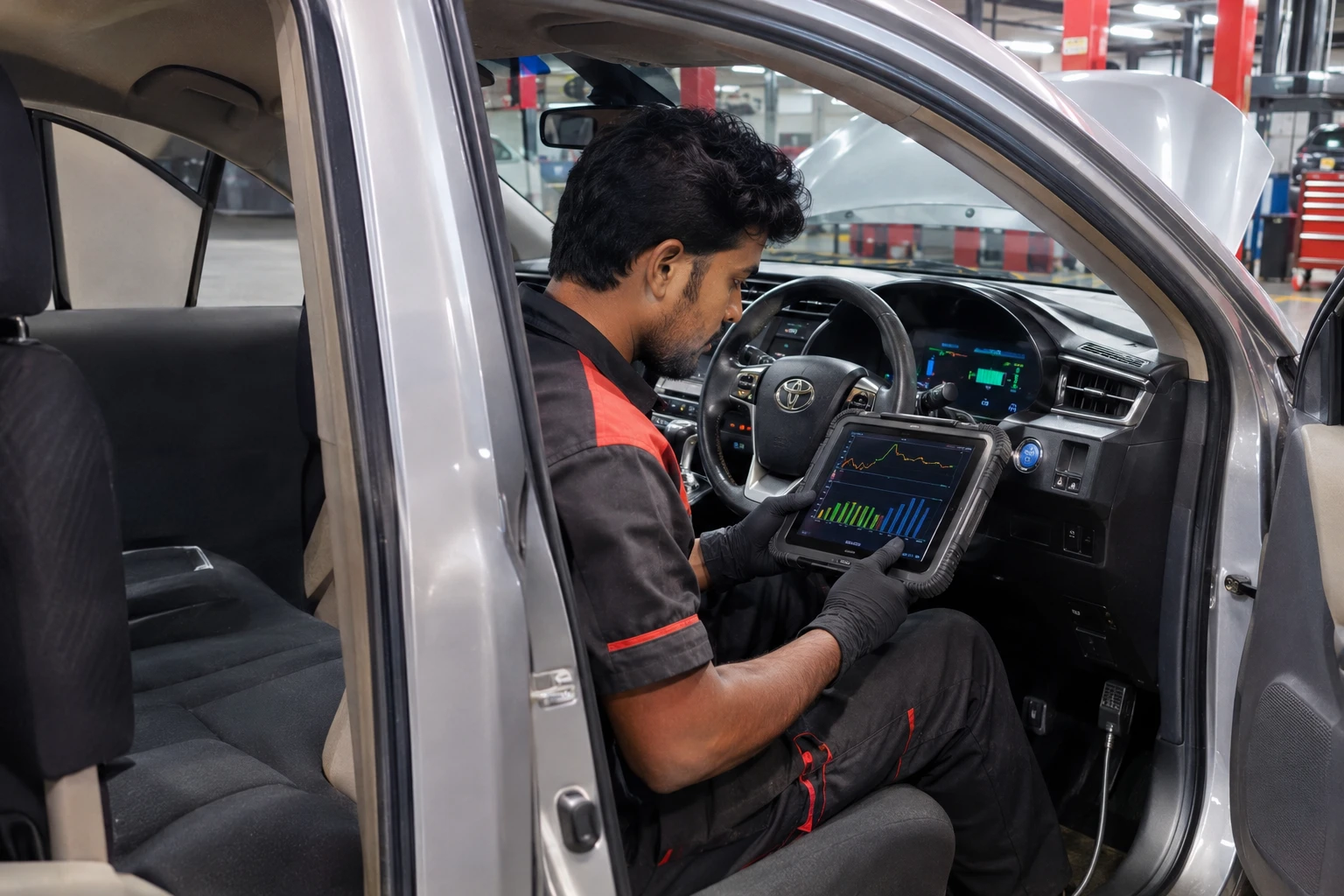
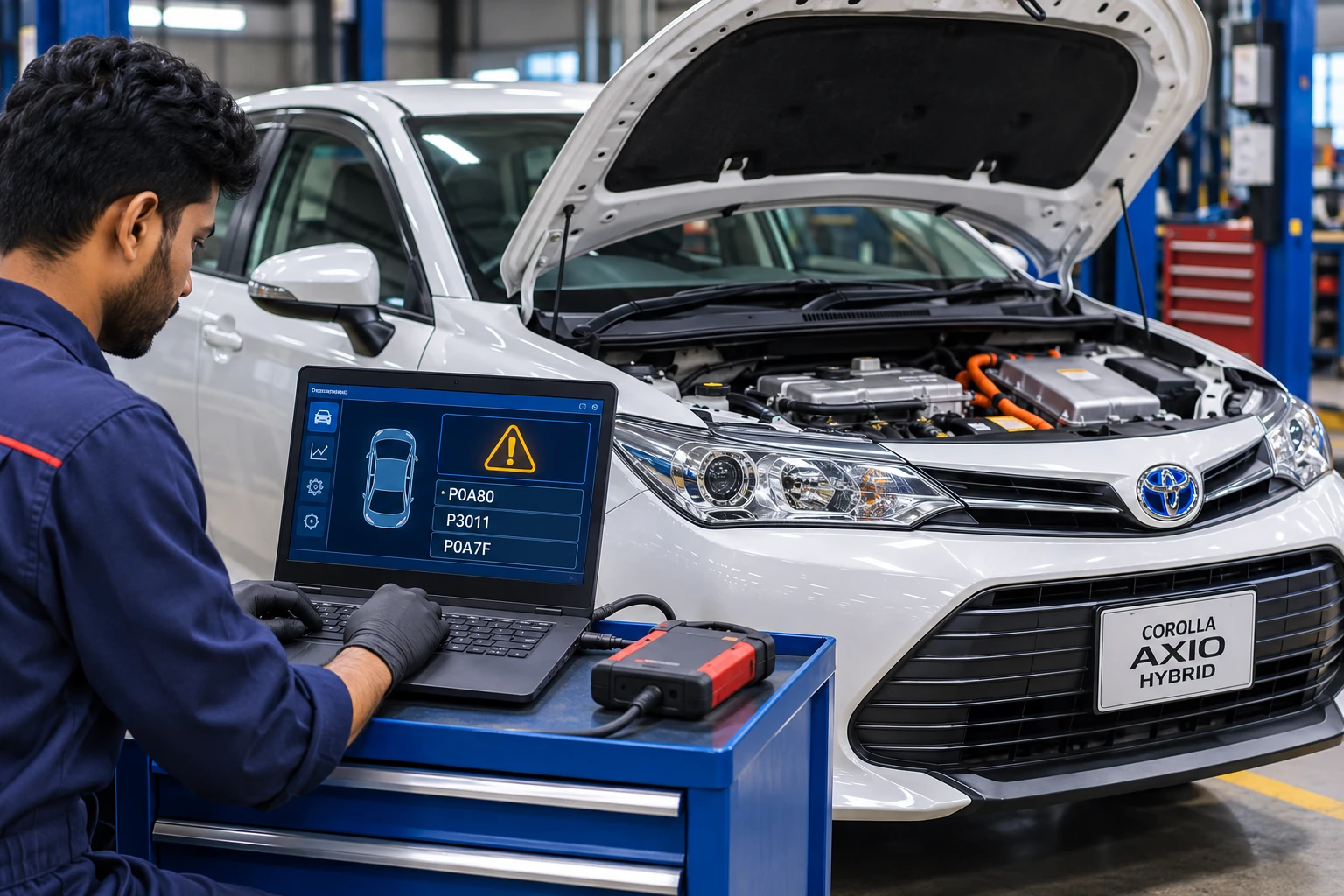
1. Hybrid System Fault Code Scanning
Compatible diagnostic equipment can retrieve available fault codes from the relevant vehicle control modules.
Depending on the model, these may include:
Hybrid control system codes
Traction battery-related codes
Inverter-related codes
Engine management fault codes
Electrical supply faults
Communication-related errors
The presence of a fault code does not automatically prove that a particular component requires replacement.
2. Hybrid Battery Performance Assessment
When diagnostic information indicates a possible traction battery problem, further assessment may include:
Battery state-of-charge behavior
Available block or cell-group voltage data
Battery temperature readings
Charge and discharge current information
Relevant battery monitoring data
Battery cooling system operation
The available measurements depend on battery design and diagnostic compatibility.
3. Inverter and Electrical System Troubleshooting
When inverter or electrical control faults are suspected, diagnostic assessment may include relevant electronic data, associated cooling systems and permitted low-voltage circuit tests.
High-voltage testing requires specialized equipment and qualified personnel.
4. Hybrid Battery Cooling System Inspection
Where applicable, the cooling system may be inspected for:
Cleaning or repair should be recommended according to the actual findings.
5. Auxiliary Battery and Power Supply Testing
A weak 12V electrical supply may cause electronic malfunctions.
Relevant checks may include:
Battery health testing
Voltage measurements
Ground connection assessment
Low-voltage power supply inspection
DC-DC converter-related diagnostic data
6. Root Cause Assessment and Repair Recommendations
After reviewing the diagnostic findings, appropriate solutions may include:
Cooling system maintenance
Auxiliary battery servicing or replacement
Electrical connection repairs
Sensor-related repairs
Correction of engine management faults
Hybrid battery repair assessment
Specialized inverter or hybrid system repair assessment
Component replacement where justified
The appropriate repair depends on the confirmed fault, vehicle condition and manufacturer requirements.
7. Post-Repair System Verification
After repairs are completed, relevant checks may include:
Reviewing diagnostic trouble codes
Evaluating hybrid system operating data
Confirming the original fault has been addressed
Monitoring battery temperature and charging behavior
Checking relevant electronic control systems
Controlled road testing where appropriate
Diagnostic Equipment and Testing Methods
Depending on vehicle compatibility, relevant equipment may include:
Toyota-compatible automotive diagnostic scanner
Professional OBD diagnostic equipment
Digital multimeter
Battery testing equipment
Compatible electrical circuit testing tools
Model-specific hybrid diagnostic software
Manufacturer service information
High-voltage testing must only be performed with appropriate equipment by trained personnel.
Compatible Hybrid Vehicle Models
This problem-based solution may apply to supported hybrid vehicles, including:
Toyota Corolla Axio Hybrid
Toyota Aqua Hybrid
Toyota Prius Hybrid
Toyota Corolla Fielder Hybrid
Toyota Camry Hybrid
Toyota Noah Hybrid
Toyota Esquire Hybrid
Other compatible hybrid vehicles
Actual diagnostic coverage depends on the vehicle's model, model year and system configuration.
Benefits of Professional Hybrid Warning Diagnostics
Helps identify the cause of hybrid system warnings
Reduces unnecessary hybrid battery replacement
Detects potential electrical or cooling system faults
Helps distinguish battery faults from other hybrid problems
Supports safer repair decisions
Provides a clearer understanding of necessary repairs
Helps avoid repeatedly clearing unresolved fault codes
Supports reliable hybrid vehicle operation
Why Choose Rinors Motors?
With approximately 30 years of experience in the automotive market, Rinors Motors focuses on systematic vehicle diagnostics and practical repair recommendations.
A Check Hybrid System warning can have several possible causes, and replacing the traction battery without sufficient evidence may result in unnecessary expense.
Our solution-based approach emphasizes evaluating relevant fault codes, operating data and vehicle symptoms before recommending further repairs.
Related Services and Solutions
For broader hybrid battery testing and repair information, explore the Hybrid Battery Diagnostics & Repair service offered by Rinors Motors.
If your main symptom is unusually rapid battery charge loss rather than a dashboard warning, see our related solution: Hybrid Battery Draining Quickly Causes and Solutions.
Get Your Hybrid System Warning Diagnosed
If your Toyota Axio, Aqua, Prius, Fielder or another compatible hybrid vehicle displays a Check Hybrid System warning, contact Rinors Motors for a professional diagnostic assessment.
Identifying the actual problem can help determine whether your vehicle needs electrical troubleshooting, cooling system maintenance, battery-related repairs or another solution.
Do not replace an expensive hybrid battery solely because a warning light appears. Identify the underlying cause first.
Important Safety Notice: Hybrid vehicles contain high-voltage electrical components. Never attempt to open, disconnect or dismantle the traction battery, inverter or orange high-voltage cables without appropriate training and equipment. Follow the specific vehicle manufacturer's instructions for warning messages and stopping the vehicle.